
Acting for Film, TV and Theatre Diploma *New*
Learn screen and stage performance from working actors while gaining practical industry know-how: self-tapes, self-marketing, getting an agent, and more.
*New*
Program Updates Coming October 2026
For earlier intakes, please visit this page.
This program is delivered primarily on campus, with a limited number of courses offered only remotely in a synchronous (live) format. Students must be able to attend classes at the Toronto campus throughout their studies.
Acting Program Description
Learn Acting From Working Actors
Start doing what you were born to do—perform. At Toronto Film School, you will train across stage, screen, voiceover, and digital environments. You’ll work in Hollywood-grade studios, act in short films and perform in live plays.
You’ll graduate a well-rounded actor, with credits, a demo reel, a professional headshot, free theWorkboook access, ACTRA eligibility, Career Services support, and industry connections, ready to step into the spotlight and build a career that lasts.
Career Outcomes for Acting Graduates
Stage & Film Actor
Acting Coach/Instructor
Voiceover Actor & Film Dubber
Filmmaker
Talent Agent
Casting Director
TV Show & Podcast Host
Clown & Sketch Comedy Performer
Video Game Performer (Mocap Acting)
Musical Theatre Performer
Stunt Work
Intimacy Coordinator
Vertical Series Actor
Content Creator
Screenwriter
Public Speaker
Program Director & Instructor Bios
Testimonials
Our Grads in the Credits






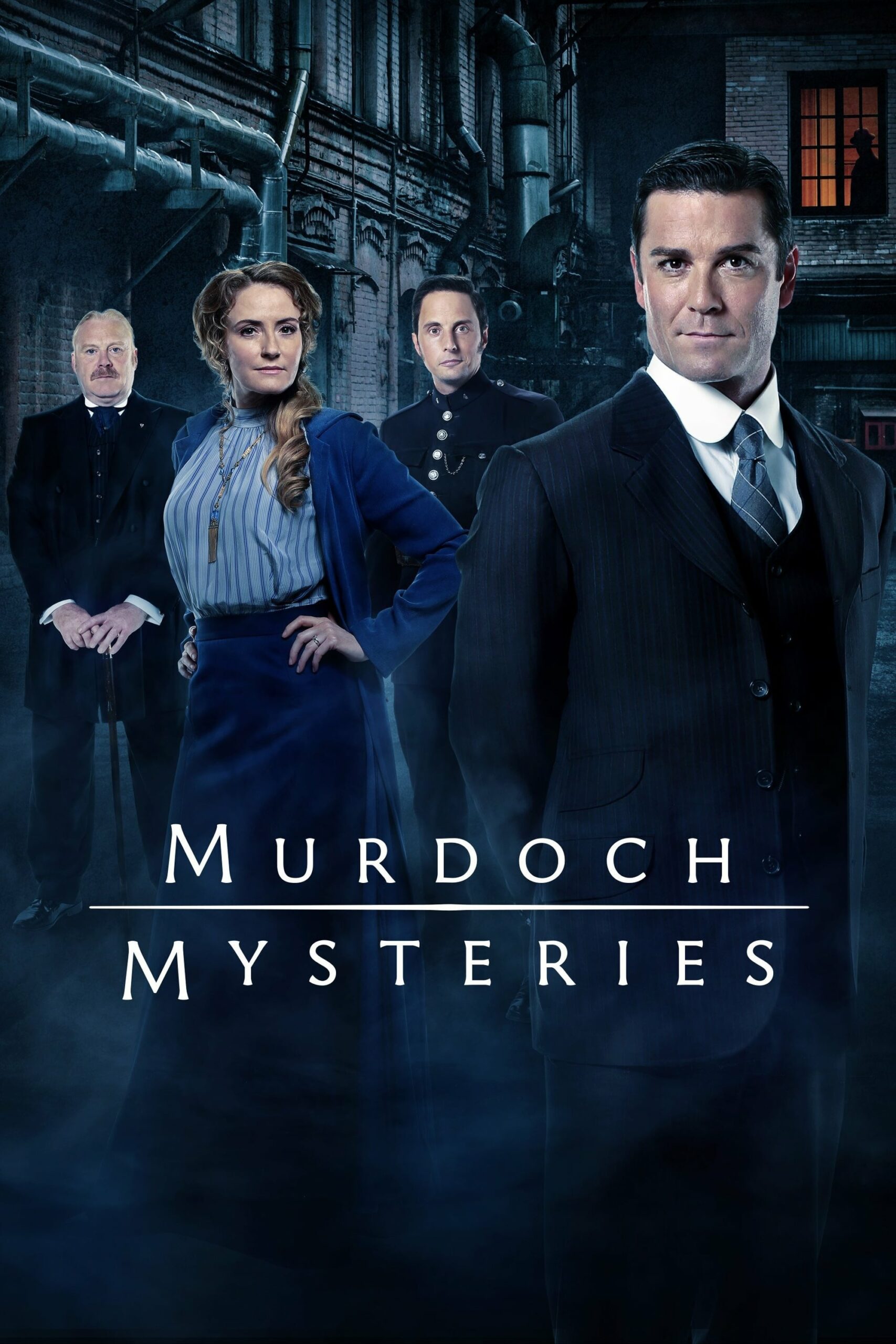

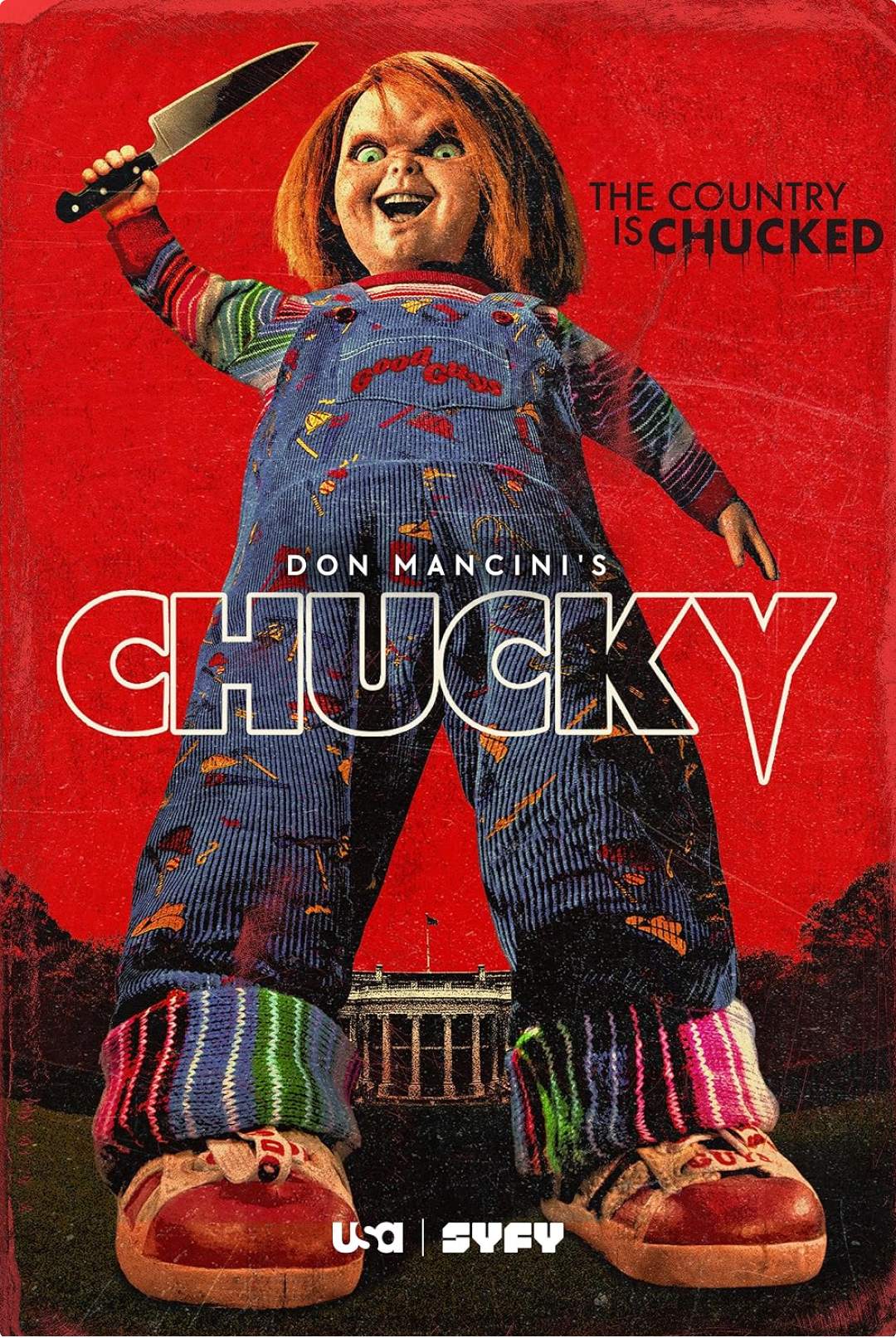

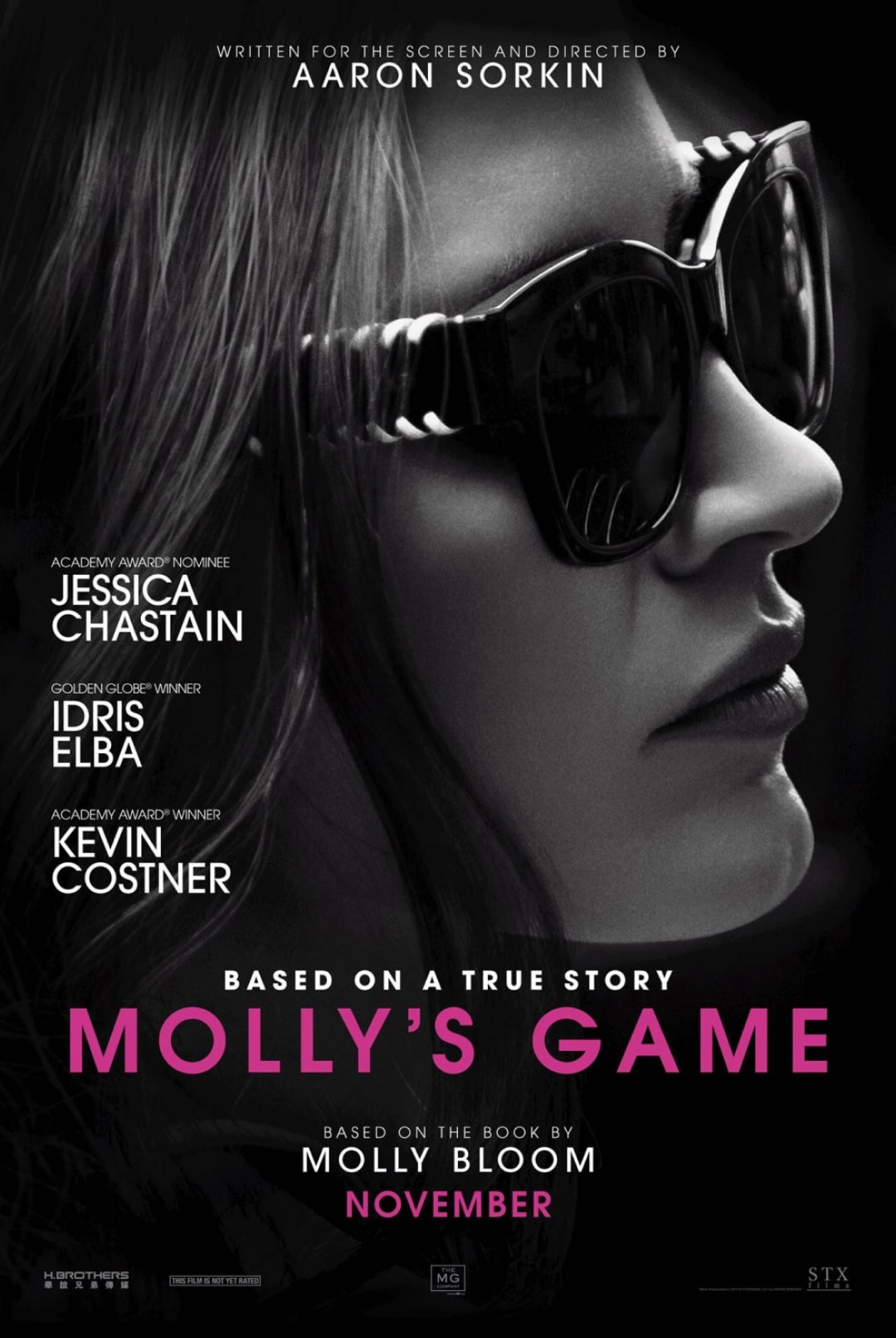

Agencies that represent our ACting Grads


Acting Courses
Our Acting Courses by Term
Term 1
Stage Acting 1
ACT100
This course is an introduction to the basic skills employed by the actor. We will explore the actor’s work in terms of the personal, the character, ensemble/group dynamics as well as professional industry standards. Technique and concept areas to be introduced include warm-ups, risk-taking, consent, and boundary work, empathy and authenticity in performance, individuality/uniqueness, silence, stillness, script analysis, character work, monologues, improvisations, and storytelling. Students will be expected to do a fair amount of preparation work outside of the studio.
Voice 1
ACT111
The purpose of work on the voice is to create a transparency for emotions, intentions, words, desires and images. A variety of texts will be used to explore techniques for approaching the written word. Students will work through the first half of a basic Linklater Technique warm-up, focusing on breath, spine and total body awareness. Each session will be divided in two parts: the first will focus on the development of physical and vocal exercises; the second will focus on the direct application of these skills to various forms of poetic, lyrical and dramatic texts.
Movement 1
ACT112
The body is the actor’s primary instrument of expression. Movement 1 will focus on various exercises to free the body to respond to its natural impulse to move. We will encourage a non-performance, non-judgmental atmosphere in which students are encouraged to risk in order to discover. Ongoing reference to the Laban, Alexander and other techniques is a program element.
Camera Acting 1
ACT113
Acting is a profession that involves interaction on intellectual, emotional, and instinctual levels. This course is geared towards developing skills required for performance on camera as well as general professional etiquette. The fundamental requirement of film and television actors is to have an active “inner life” on screen. Using scripts from contemporary films, this course is designed to awaken that inner life and give actors the tools to utilize it effectively. Additionally, introductory technical skills will be introduced such as adjusting to frame sizes, hitting your mark, and awareness of continuity.
Performance History 1
ACT114
Actors have inherited a rich and noble tradition. This course embarks on a journey through the evolution of performance styles, beginning from the ancient roots of Indigenous oral storytelling and Greek religious ceremonies and extending to the refined stages of Renaissance theatre in Italy and England. It features the exuberance of Italian Comedy and the timeless works of Shakespeare in Elizabethan England, culminating in the ground-breaking advancements of Restoration Theatre. Performance History 1 lets students integrate historical performance styles into contemporary theatre, film, and television productions. Through hands-on experiences in staged readings, students actively engage with these styles, fostering a deeper understanding of their relevance in modern performance contexts.
Film History 1
ACT115
The film history course explores the social, cultural, and historical context of each decade; but the actors, filmmakers and their works are the main focus of study and discussion. Topics will include the invention of motion pictures, the establishment of a film industry and audience, developments in the use of cinematic technique, prominent actors and their contributions, prominent directors and stylistic movements, diversity in film and how it influenced Hollywood and Parallel Cinema, the idea of film as art and commercial entity, changing notions of cinematic realism, and technological innovation.
Consent, Boundaries, and Intimacy in Acting
ACT116
This course is an introduction to consent and boundary work in the entertainment industry, with a focus on developing emotional intelligence and communication skills for the actor. Communication techniques to assert consent and boundaries will be developed in the context of an audition, rehearsal, and performance context. Students will be expected to develop their understanding and application of EQ and consent techniques.
Term 2
Stage Acting 2
ACT200
The film set and the theatre stage both demand that an actor constructs complex, truthful characters and, “on the day,” enters into their character quickly and thoroughly. The student studies a range of techniques and improvisational approaches for building characterization as it applies to scenes from contemporary Canadian plays and Modern Classics. Students will also explore new avenues of the 9Ws and the 12 Guideposts. Technique and concept areas to be introduced include warm-ups, risk-taking, listening, research, script analysis, character work, improvisations, and storytelling.
Pre-requisite: ACT100
Voice 2
ACT207
Voice 2 is a continuation of the work in Voice 1. Revisiting and extending the exercises introduced in Voice 1, we will deepen our physical and vocal awareness, identifying more efficient ways of using the voice. We will also explore tools to make oral communication exciting and effective, pursuing clarity of thought and passionate expression.
Pre-requisite: ACT111
Movement 2
ACT208
Movement 2 is divided into three parts: progressing from Term 1, we continue to look at the actor’s instrument with the focus on alignment. We take that alignment into the individual actor’s character body while working from the outside in. Physicality, breath and exploring animal movement will be emphasized. We build upon the animal movement with improvised dialogue and feedback to create a fully realized character.
Pre-requisite: ACT112
Camera Acting 2
ACT209
This course will challenge students to make choices that are compelling, creating characters that are complex and interesting to watch. Students will develop their ability to analyze a script and provide an approach to making clear, convincing and honest choices. The course will focus on developing believable relationships between scene partners as well as honing the actor’s listening skills. Students will focus on the special requirements of network television for drama and comedy as well as show hosting.
Pre-requisite: ACT113
Performance History 2
ACT210
This course will trace the development of performance genres from the onset of Realism, through the Absurdism movement of the post-World War 2 years, to the Experimenters of the 1960s, and up to contemporary Canadian theatre.
Writing for Actors 1
ACT211
In this course, we explore the basic rules and guidelines for stage and screen writing. Not only is being able to analyze scripts essential to the actor’s craft, but in today’s evolving world, the actor’s role has, in many areas, expanded to include content creation. This course aims to provide students with a supportive venue for creating dramatic work: to allow novice writers the chance to take first steps, and more experienced writers to develop their skills.
Term 3
Stage Acting 3
ACT300
As actors it is of the utmost importance to understand the nature and arc of a character’s journey, in the telling and unfolding of the plot as well as through the constant moment-to-moment realizations a character experiences. Acting 3 students will portray characters from scenes in a full-length play, focusing on character development, transitioning and storytelling.
Pre-requisite: ACT200
Voice 3: Accents
ACT301
This course develops voice and speech training with a focus on learning skills toward dialect acquisition. Students work toward achieving a natural vocal instrument, free from the habitual tensions, holding patterns, and inefficient uses that may block the clear communication of thoughts and feelings. Each session incorporates physical and vocal warm-ups to support progress. Over ten weeks, students become acquainted with five dialects, emphasizing the acquisition of dialect skills rather than expertise at any one dialect. Additionally, students reinforce class exercises and techniques by practicing regularly outside of class.
Clown and Physical Theatre
ACT302
This course is designed to help actors understand ideas of performance through physicality and clown. Students are challenged to take risks, hone their improvisational skills and push through performance inhibitions to find the pleasure of being present on stage. Students will learn the notions of rhythm, fixed point, complicity, focus, the flop and play. Games and exercises will be used to help students gain confidence while learning the fine art of playing the fool. The course will culminate in a final showcase in which students will perform a Solo Clown Turn in front of a live audience.
Camera Acting 3
ACT303
This course develops the ongoing advanced skills of the student actor. It further explores the relationship between acting and all the technical and practical aspects of modern filmmaking. Scenes will be chosen by the instructor from a variety of sources of previously produced feature films and television series. Each student will have a variety of scenes to shoot, beginning with pair work and advancing to more complex scenes with their fellow actors. The scenes will be shot out of sequence week to week helping the student to realize the importance of continuity, the emotional commitment of the character, their position in the script and the shooting order at all times. The project will culminate in a one hour finished and edited film. The class will develop various scenes for filming, incorporating multiple camera techniques while using sound, lighting and set design, props and wardrobe. The class will follow the procedures that would be taken on a professional film set, creating studio and location shoots thereby giving the students the opportunity to incorporate what they have learned in a practical and workable application.
Pre-requisite: ACT209
Basic Production Skills
ACT304
In the course, students will gain introductory knowledge to film and sound equipment. Through use of the gear, students will develop their understanding of the functions and settings of each piece of equipment. They will also learn about handling cables and monitors, as well as basic lighting and the use of background replacement technology. A proficiency examination will be held to determine the student’s capability of independently using film equipment.
Writing for Actors 2: Short Film Scripts
ACT305
Writing for Actors 2: Short Film Scripts is a focused progression from the basic writing fundamentals learned in ACT 211. The individual writing exercises learned in the second term are now a foundation for a more advanced single purpose: The creation of a presentation draft for a short film project. Students will be asked to pitch an idea, create a character monologue, write a brief story synopsis, and eventually write a first and second draft screenplay. Class focus will be on character development, rising and falling action, economy of dialogue, short film dramatic sequence, script editing, film as a visual medium, and professional presentation.
Pre-requisite: ACT211
Term 4
Improv & Sketch Comedy
ACT400
This course is aimed at teaching the students several improvisational games, training actors to hone their instincts to collaborate with their cast, and to create scenes on the spot using random suggestions from an audience. Additionally, students will learn how to translate those same improvisational talents to create repeatable sketch material. These talents will then be put together in a showcase that is a blend of pre-rehearsed sketches and scenes sparked by audience participation.
Pre-requisite: ACT302
Voiceover 1
ACT401
Voiceover is a dynamic and lucrative field within the Canadian radio, film, television, and interactive media industries. In this first Voiceover course, students will receive ‘in-studio’ instruction across formats such as commercials, narration, and audiobooks, developing professional techniques for sound booth recording, microphone performance, and vocal versatility. The course also introduces practical skills for building a home recording setup, submitting self-tape auditions, and performing cold reads for voiceover roles.
Pre-requisite: ACT207, ACT301
Choreography
ACT402
This course introduces students to a basic understanding of choreography. Beginning with standard dance warmups, students will then learn a series of specific combinations. The students will then be introduced to dance sequences while working on a piece of choreography to music. This will culminate in a musical dance presentation selected by the instructor.
Pre-requisite: ACT208
Auditioning for Camera
ACT403
Auditioning is the essential skill for landing an opportunity to work in the film and television industry. Your agent will expect every casting director to recognize and remember both your professional decorum and your intelligent performance of the required material, all under intensely high stress conditions. Only through detailed script analysis can you hope to become the character and ‘nail the audition’. In this course, students will undergo practical auditions with scripts from real films and television programs and commercials.
Pre-requisite: ACT209
Producing and Directing 1
ACT404
In this course, students deepen their understanding of acting for film by stepping into the roles of producer and director. Working from the short film scripts they have written in Term 3, students will develop and shoot a proof-of-concept trailer that will later support a formal pitch in the follow up Producing and Directing 2 course. Along the way, they will explore the essentials of pre-production, concept development, lighting, sound recording, framing, and editing styles—gaining insight into how these creative and technical choices shape a performance. By taking the reins behind the camera, actors expand their artistry and sharpen their on-set literacy for professional film work and content creation.
Pre-requisite: ACT304, ACT305
Singing and Vocal Performance
ACT405
This course focuses on the study of elemental singing basic skills (rhythm and ear training, sight singing, and score reading), development of healthy vocal technique and rehearsal skills, repertoire selection, and the integration of character development into the performance of an up tempo and a ballad.
Pre-requisite: ACT207
Stage Combat
ACT406
This course introduces students to a basic comprehension of stage combat. Through training of hand-to-hand and basic weapon combat, they will acquire the skills needed to perform physical conflict in a safe and visually effective display on stage or screen. The thrust of the work will move the students towards a fully realized fight scene.
Pre-requisite: ACT208, ACT300
Term 5
Video Editing
ACT500
In this course, students will be introduced to Adobe Premiere Pro video editing software and instructed in the use of basic tools, various transitions, effects, techniques and theory to create dynamic music videos and effective demo reels. Further, an understanding of basic editing theory will also be addressed.
Pre-requisite: ACT303, ACT404
Live Performance Play
ACT501
Acting started with live performances, in front of an audience, telling a story from beginning to end. This has evolved as companies of actors have mounted shows in various traditional and non-traditional theatrical spaces. Platform aside, as actors it is of the utmost importance to understand the nature and arc of how this event is put together from the preparation of a rehearsal script to text and character analysis to staging rehearsals and eventually to run throughs of scenes, acts and eventually the whole play. In this course students will prepare, create, rehearse and perform a full-length ensemble performance culminating in three presentations in front of a live audience.
Pre-requisite: AT300, ACT400, ACT402, ACT405, ACT406
Producing and Directing 2: Pre-Production
ACT502
In this course, students will gain further insight into the film creation process, competing in a “Green Light” competition where they will learn about pitching their scripts, creating a professional pitch package, and delivering a verbal presentation in front of peers and instructors. They will also learn about advanced concepts in film direction, including understanding the motivation behind their choices as filmmakers, how to implement their vision, maximizing their film’s aesthetic on a budget, and effectively coping with the demanding challenges of making a student film.
Pre-requisite: ACT404
Term 6
Short Film Production
ACT600
In this course, students will be given hands on experience of producing and directing their own scripted short films, scenes, and/or monologues which will act as vehicles to feature themselves as performers. Films will be produced in teams and students will be expected to contribute to each other’s projects as actors and crew. Students will refine their skills in camera acting, directing, lighting, camera operation, sound recording, shot list/storyboarding and all facets of post-production. All of their work will culminate in a final screening event where selected projects will be presented, including the chosen “Green Light” short films from Term 5.
Pre-requisite: ACT303, ACT305, ACT404, ACT500, ACT502
Self-Tape Production
ACT601
In today’s industry, self-taping has become a primary audition format, requiring actors to deliver performances that are both artistically compelling and technically polished. This course prepares students to create professional-quality self-tape auditions for talent agents and casting directors by developing skills in script analysis and making bold character choices for the camera. Students will also learn practical production techniques—such as lighting, sound, framing, and eye lines—to ensure their tapes look and sound exceptional whether filmed at home, in a studio, or in a temporary off-site location. Through reviewing and critiquing their own footage, students will learn how to identify their strongest takes and determine what is appropriate for submission. Because a self-tape often serves as a first impression, the course emphasizes excellence, clarity, and confidence from performance to final digital submission.
Pre-requisite: ACT403
The Business of Acting
ACT602
Actors need to see themselves as a business and as self-motivated entrepreneurs in an unpredictable and competitive workplace. They must take responsibility for managing their careers in an effective and efficient manner. An informed practical approach includes understanding topics such as: resumes and headshots, approaching an agent, working with casting directors and providing what they need to cast you, a definitive guide to the Unions (ACTRA, CAEA, SAG), creating an E package and a digital demo tape, working with Casting Workbook (an Industry Standard) and other invaluable resources and links, paying taxes as a self-employed contractor, the use of Social Media to advertise and promote your work, the need to produce, write and perform in films and plays to manufacture work, and the necessity of further artistic training. The course also includes visits and connections with industry professionals. Each week the class will deal with a different theme listed in the Topical Outline and complete detailed assignments of the materials they will need to succeed and be competitive. As part of the final assignment, the student will perform one or two contrasting monologues to the class and the instructor.
Pre-requisite: ACT500, ACT501
Voiceover 2: Animation & Video Games
ACT603
This course introduces students to the world of voiceover in video games, animation, ADR, and live podcasts. Students will utilize their voices for video game characters and learn how to audition for video games. In addition to this, students will continue to work with animation and develop cartoon voices as well as learn to deliver an improvised conversation for a live podcast show. Proper ADR (additional dialogue replacement) and dubbing of international film/TV series to English will also be recorded. Students will graduate with working techniques and skills for auditions and voiceover recording sessions.
Pre-requisite: ACT401
Acting in Virtual Environments
ACT604
Acting in Virtual Environments introduces students to performance techniques for virtual and hybrid production environments, including green screen, VFX, motion capture, and emerging AI tools. Students will explore how to embody digital characters and adapt their voice and movement for film, television, and video game technologies. Through hands-on exercises, students will perform using green screen, AI-driven motion capture systems, and computer-generated environments. Key topics include: performance capture workflows, acting in motion capture suits, adapting to multi-camera setups and roving close-ups, working with virtual props, and sustaining long-form performances. Students will also develop strategies for character creation within high-VFX pipelines and video game storytelling contexts.
Pre-requisite: ACT303, ACT501
Admissions
How to Apply
1
Complete Toronto Film School’s online application form.
2
Pay the application fee of $150.00.
3
Provide original academic transcripts (or notarized translations) showing completion of an Ontario Secondary School Diploma or equivalent.
4
Submit a Video Application:
- 1-2 minute direct to camera video explanation of who you are (your introduction, hobbies, interests, past educational experiences, where you live), your personal story, what/who inspired you to get into acting, and why you want to be an acting student at Toronto Film School.
- Check-list
5
Submit a Video Monologue:
- 1-2 minute self-tape video of a continuous English monologue from a single character from a play, movie, or TV show.
- Make sure to look slightly off camera and ensure it is fully memorized.
- Check-list
(A ZOOM callback interview and cold read may be required.)
6
Submit a 1-page essay (250-500 words, 12pt font size) describing your story, why you want to be an actor, and why you would like to study at Toronto Film School.
7
Additional requirement for international applicants: Submit proof of English-language proficiency.
8
Additional requirement for international applicants: Provide a copy of your passport.
Please note: The admission requirements above apply to students planning to enrol in October 2026 or later.
If you intend to start before October 2026, please visit this page.
For a full breakdown of each step, see the Requirements page.
Acting for Film, TV and Theatre Program Costs
TUITION RATES
TUITION TYPE
COST PER TERM (6 TERMS)
TUITION MAXIMUM
Domestic
$6,619 - $7,017
$40,510
International
$10,597 - $11,459
$66,154
EQUIPMENT FEE
COST TYPE
COST PER TERM (6 TERMS)
EQUIPMENT FEE MAXIMUM
FEE
$462 - $508
$2,864
SOFTWARE FEE
COST TYPE
FEE AMOUNT
Payable to TFS
$495
Payable to Software Provider
-
TOTAL SOFTWARE FEE
$495
Please note: Tuition fees are subject to change.
Fees do not include books, expendable supplies, or additional resources. Any changes will be announced at least three months before the term they apply to.
This page outlines the updated curriculum and tuition details for students starting in October 2026 and onward.
If you plan to enrol before October 2026, please visit this page.
For questions about tuition and payment methods, contact the Bursar’s Office at 1-866-467-0661.
For financial aid information, connect with an Admissions Advisor.
Frequently Asked Questions
FAQ
How do I contact Toronto Film School?
The most effective way to get in touch with us fast is to fill out a Request for Information form so a call with an admissions advisor can be arranged. Or, reach out to us at 1.866.467.0661 or message us on Facebook.
Why should I choose Toronto Film School’s Acting for Film, TV and Theatre Diploma Program?
You will learn the skills to perform live or on screen through an industry-based curriculum designed to meet today’s industry expectations. Below are five reasons why you should choose our program. In just 18 months, you will:
1. Learn from working actors
They bring real-world experience to the classroom. Their insider knowledge will thoroughly prepare you to nail auditions and roles. In fact, our students regularly secure parts before they graduate.
2. Train in our modern studios
Rehearse and shoot your scenes in professional on-campus studios.
3. Enjoy networking opportunities and make industry connections
We understand that building professional relationships is crucial to your success in the creative world. That’s why this program is jam-packed with networking events and collaborative opportunities.
4. Learn the business
We’ll demystify the process by equipping you with a solid understanding of the business side of the industry too.
5. Graduate industry ready
You will graduate confident, connected, and ready in just 18 months—with a demo reel of work that showcases your acting skills to casting agents and directors. You will also be eligible for your first ACTRA membership credit, all you have to do is apply for it.
If you’re ready to start acting, get in touch with us now. Soon, you could be embarking on a thrilling 18-month journey. One that could see you become a fully trained actor.
Does Toronto Film School have official recognition?
Yes. Toronto Film School is a career college regulated by the Ministry of Colleges, Universities, Research Excellence and Security.
Upon completion of the program, you will graduate with a diploma.
Does your Acting for Film, TV and Theatre Diploma Program just teach acting?
You will be taught acting, writing, producing, directing, editing, and more. You’ll learn by doing. As part of your training, you will perform on stage. We host more live theatre performances than any comparable school.
How long does it take to complete this program?
18 months (6 terms)
The program will be held on campus, with the exception of a few classes which will be undertaken online through remote synchronous learning.
As a student, are there any opportunities for networking within the program?
We keep an open dialogue with the industry on an ongoing basis.
Our instructors are working, accomplished professionals. Leading the way is our school president, Emmy and Golden Globe winner Andrew Barnsley.
You might have opportunities to participate in TFS Fest, festivals and industry events like TIFF, attend special screenings and be provided with collaboration opportunities with students from other TFS programs.
This program is a fantastic way to forge valuable relationships, ones that can shape your future career.
Can I apply to this program if I am an international student?
Absolutely! At Toronto Film School, we welcome students from all around the world. As an international student, you’ll need to meet a few additional admission requirements, such as providing proof of English-language proficiency.
For more information, please contact us at enrolment@torontofilmschool.ca with your questions.
What are the criteria for passing your Acting for Film, TV and Theatre Diploma Program?
You must complete 1728 hours. You must have a 1.7 Cumulative Grade Point Average (CGPA) in the 4.3 scale or better. Any course with a grade W or F must be retaken in order to graduate.
What are the benefits of becoming an actor?
It’s an exciting career path. As an actor, you can create, collaborate and see your ideas come to life on stage or on screen. Here’s what a couple of our graduates have to say:
“I love making people laugh, and I also love promoting positivity and self-worth, and I’m fortunate to be able to do that through my characters and the films I create.”
Orville Cummings
Acting for Film, TV and the Theatre ’16
Orville played Lieutenant Christopher on Star Trek: Discovery.
“Take risks, have fun. Don’t be afraid to fail and trust yourself. That’s what Toronto Film School taught me.”
Michala Brasseur
Acting for Film, TV and the Theatre ’16
Michala played “Pam” in Shoresy, “Caitlyn” in The Handmaid’s Tale
How much does this program cost?
For our most up-to-date tuition fees, please visit our Tuition & Payment Options page.
There is a non-refundable application fee of $150.
Payment options are available, just reach out to us so we can work something out.
Check out our Bursaries and Financial Aid page.
Lastly: Tuition fees do not include books, expendable supplies, equipment and resources. Tuition and fees are subject to change.
Is financial aid available for this program?
We understand that funding your education can be a challenge. But there are several bursary and financial aid options for our applicants.
Canada Student Loans and Grants
Apply for loans or grants via your home province or territory. Loans generally have no interest during study and require payments only post-graduation. Grants, which are not repaid, are usually offered to students from low to middle-income families, those with disabilities or dependents, or part-time students.
Ontario Student Assistance Program (OSAP)
If you are an Ontario resident, you can apply to OSAP for a student loan. This financial assistance can also help you to cover basic living expenses, supplies, tuition, and books. Here’s a link to apply!
Student Assistance Programs for All Other Provinces
You can find a list of all student aid offices through the Government of Canada website.
Bursaries
Toronto Film School offers several bursary options. For a complete list, check out this link.


The Toronto Film School Blog
Explore the latest industry news, student profiles, alumni success stories, event reports, and content specific to your career interests.